Your journey begins within
Evidence-based and expressive therapy practices to feel whole again. Embrace the healing power of your inner wild!
Guided Imagery & Music
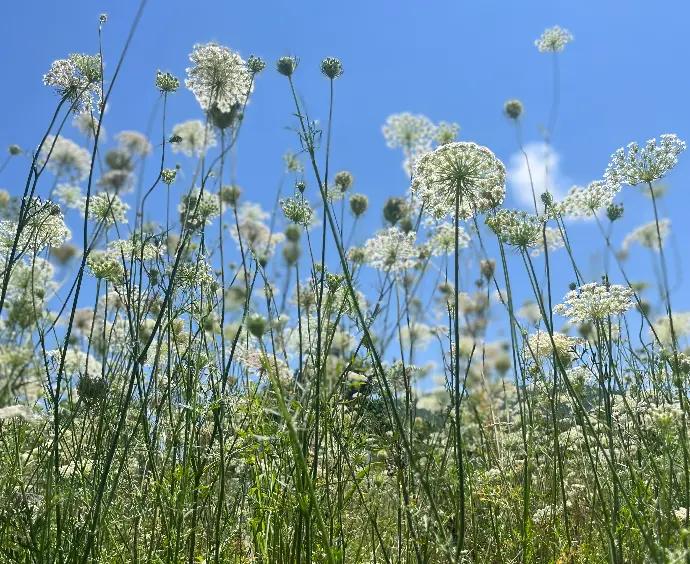
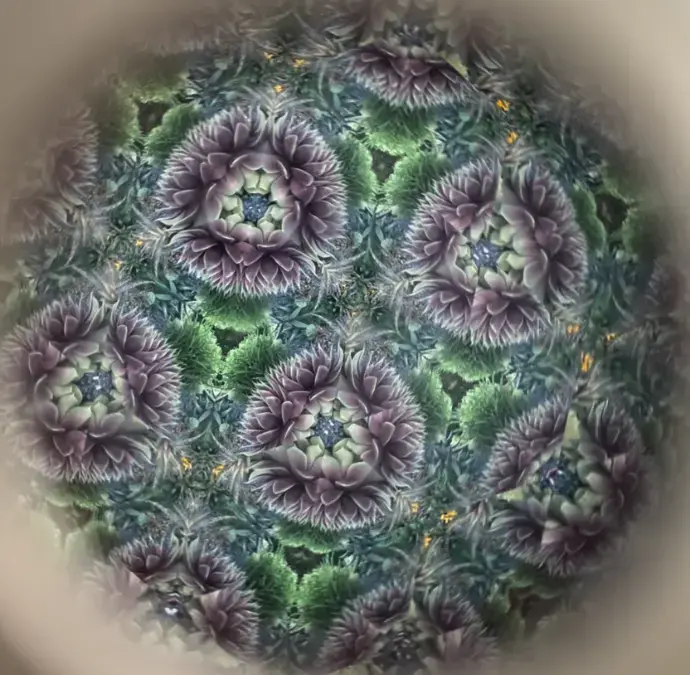
Guided Imagery and Music (Helen Bonny Method) involves the process of "traveling" through your inner wilderness of imagery, emotion, symbols, body sensations, and story within the psyche, with the support of classical and contemporary research-based music programs. The therapist and music (as co-therapist) serve as a guide to the individual traveler.
Read more
EMDR
Eye Movement Desensitization Reprocessing helps people recover from trauma and other distressing life experiences, including PTSD, anxiety, depression, and panic disorders.
Read moreLet's get expressive
For many people, the typical "talk therapy" model has achieved as much as it can. Many of our traumas and motivations are difficult to access verbally. The work of therapy can be held back by our over-analyzing, intellectualizing, and avoidance of re-living painful experiences. Through non-traditional methods of therapy, together we can work towards growth in accessible and non-threatening ways.
The Bonny Method of Guided Imagery and Music (GIM) involves the process of "traveling" through your inner wilderness of imagery, emotion, symbols, body sensations, and story within the psyche, with the support of classical and contemporary research-based music programs. The therapist and music (as co-therapist) serve as a guide to the individual traveler.
Integrate parts
GIM brings together mental, emotional, physical and spiritual aspects of well-being
Awaken creativity
Journey through metaphorical imagery experiences that can tap into a deeper creativity
Expand consciousness
Exploration of alternative states of consciousness, similar to meditative, hypnotic, or dream states
Gain new perspectives
Challenge and reinforce your sense of self and what is possible in your future
What to expect from a GIM session
Sessions last up to 90 minutes
Discussion about your current concerns or feelings, intention setting, and guided relaxation.
music
experience
Typically using "the couch," as with psychoanalysis, you'll listen to music and express the imagery that comes up. I'll be there every step of the way, to bring your inner wild to life, through expressions of imagery, emotion, and sensations in the body.
Gentle return from the deepened state with facilitated grounding.
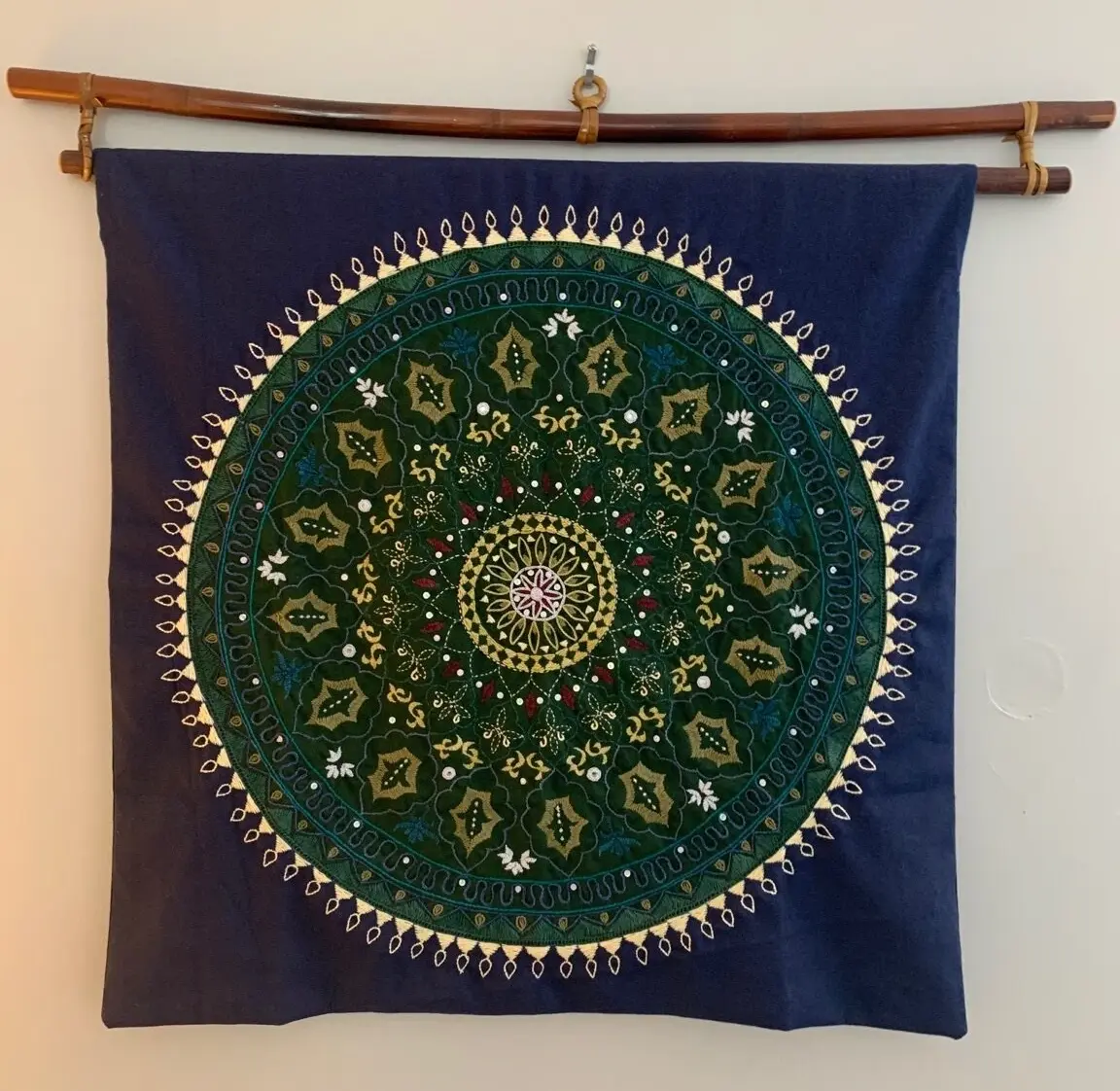
Reflective discussion to support integrating the experience with your conscious awareness. This can include other expressive activities, such as drawing a mandala.
Ready to get started?
Safety first
My first goal as a therapist is to provide a space of acceptance and safety. I am a member of the LGBTQI+ community and I emphasize the importance of BIPOC, queer, trans and neurodivergent affirming practices.
Why trauma therapy?
"Trauma" is certainly a loaded buzz word in popular psychology these days. In my work, I consider trauma as a lens with which we can view those "surprise" emotional moments that we can't quite understand -whether it's a shut-down response, panic, rage, or fear of abandonment. Through this lens, we can begin to see our reactions more clearly, understand where they come from, and learn to have compassion for ourselves and our resilience.
You may be considering trauma therapy for the first time, or perhaps you have only used traditional talk therapy to address trauma and don't feel it is enough. Through evidence-based and creative practices, I believe exploring your "inner wild" can lead to a healthier, happier, and more compassionate you.